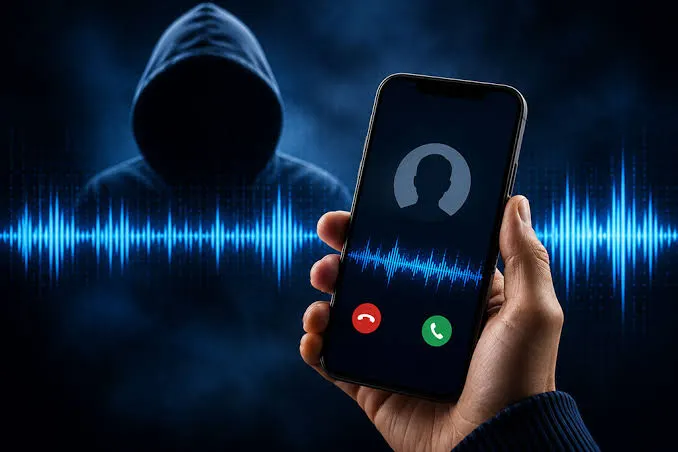
This article will explore the specifics of this growing trend, the actions taken by law enforcement, phone manufacturers, and artificial intelligence companies to counter it, as well as possible ways to stop these types of scams from happening in the future.
Moving forward: Self-protection measures you can take There are steps you can take to protect yourself from AI-generated voice scams, which you can read about in the rest of this article, but law enforcement, phone manufacturers, and AI companies are also working to combat them.
Here are some pointers:
1. To guard against these scams, experts advise creating a verbal family password that is shared only by you and your closest inner circle. The family might, for instance, segment a lengthy verbal password. The caller must correctly utter the remaining portion of the verbal password after the call recipient has said some or all of it. Hang up if it doesn’t match. similar to bygone eras.
2. Should someone you know call you for assistance know, end the call, give the person you know a call again on a number you previously recorded, and double-check the information.
More background information on voice scams created by AI is provided below
The Growth of Voice Scams Produced by AI:
People now find it challenging to tell the difference between real and artificial voices due to the sophistication of AI-generated voices. This technology is being used by scammers to produce convincing audio messages that seem to be from reliable sources, like banks, governments, or even close friends and family. A voice-cloning program and a brief audio clip of the victim’s family member’s voice-which can be obtained from online content-are all that the scammer needs to sound exactly like the cherished one. Urgent requests for money transfers or personal information are frequently included in these messages, which can cause both emotional and financial hardship.
To combat the increase in voice scams created by artificial intelligence, law enforcement and regulatory organizations are collaborating. For example, the United States’ Federal Trade Commission (FTC) has opened investigations into multiple phishing attacks using artificial intelligence (AI). The FTC has also cautioned consumers about the risks associated with AI-generated voice scams and offered advice on how to prevent falling for these con games. The Federal Trade Commission advises being sceptical of any requests for money and attempting to get in touch with the person requesting assistance using a different method than voicemail.

Aashutosh Tripathi
(Aakesh Aainon)
All Copyright©reserved
Already published in blogger.com by same Author.
Originally published at https://www.blogger.com/?hl=en-GB&tab=jj on February 20, 2024.